



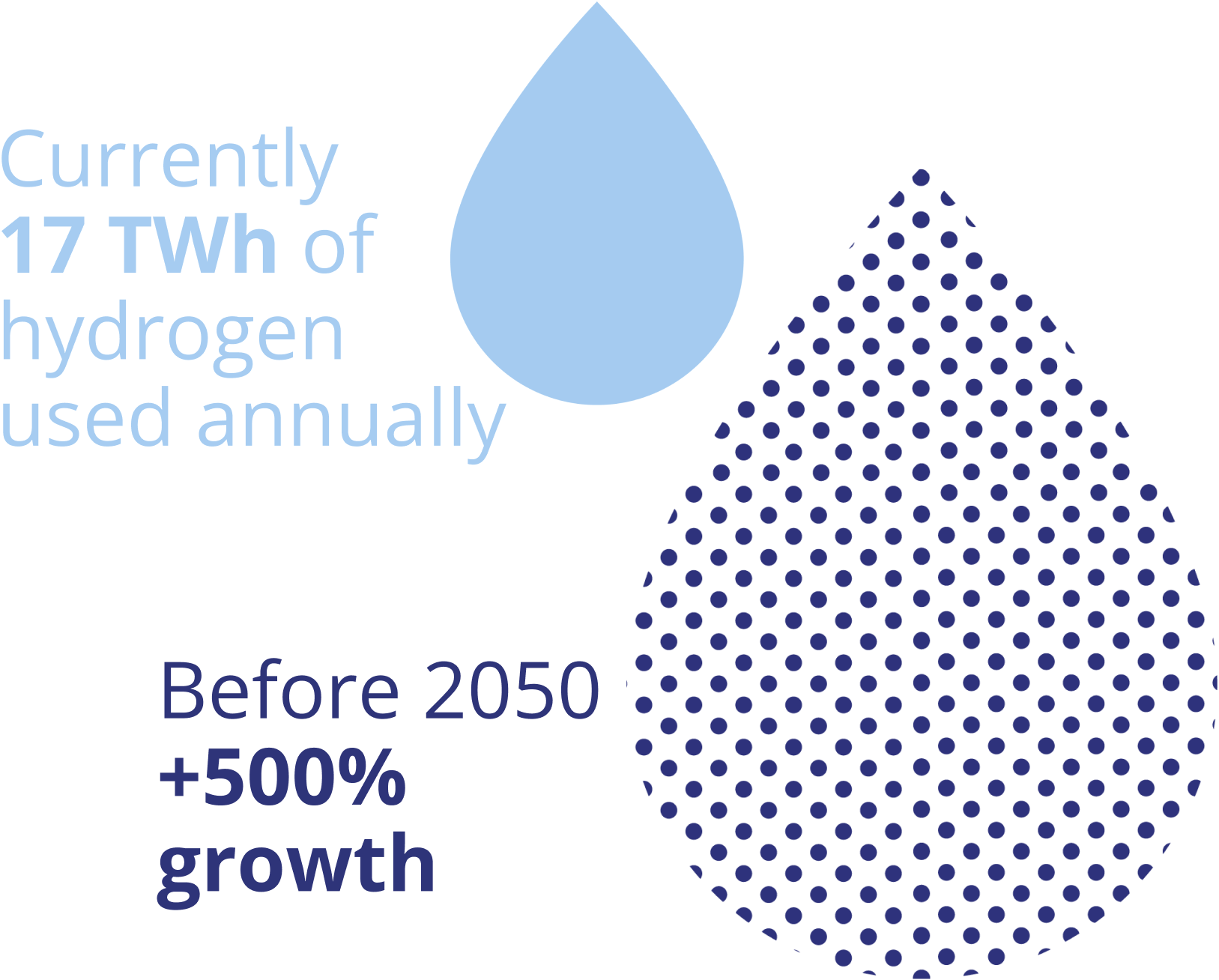
North Rhine-Westphalia (NRW) is Europe’s go-to destination for hydrogen innovation. As Germany’s economic powerhouse, NRW boasts 460,000 jobs in energy-intensive sectors. The state’s manufacturing industry already uses 17 TWh of hydrogen energy annually, with demand set to increase six-fold by 2050.

A true hydrogen investment hub in Europe
Europe's first climate-neutral industrial region is taking shape in Rheinisches Revier. Hydrogen is at the heart of this transformation, serving as a vital source of electricity and heat, a medium for energy storage and an alternative fuel. The region is already strategically positioned along the entire hydrogen value chain: Ambitious projects, supported by direct investment, are driving its transition into a global hydrogen technology hub. Investors in Rheinisches Revier are joining a groundbreaking initiative and leading the way in pioneering green technologies worldwide.
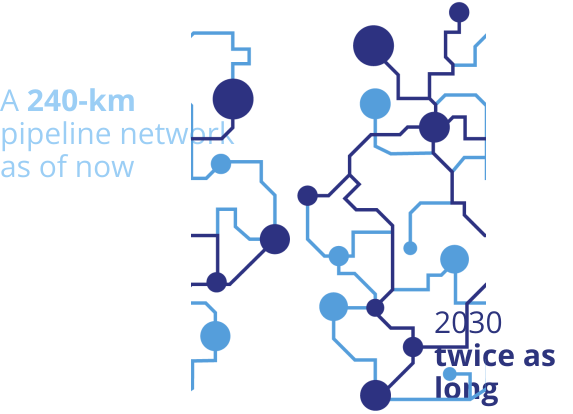
NRW is paving the way for hydrogen’s pivotal role in the energy and mobility transformations. The state’s extensive hydrogen program covers the entire value chain, including Germany’s largest pipeline network at 240 kilometers, which is set to double by 2030. Plans are also underway to deploy 11,000 fuel cell trucks on its highways and 3,800 hydrogen buses in city centers.
© Gettyimages, Andriy Onufriyenko
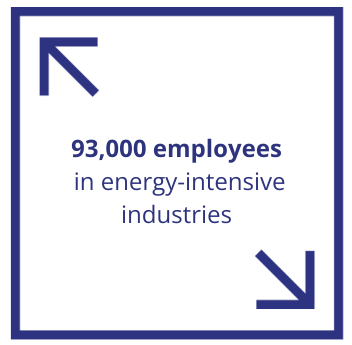
Rheinisches Revier – employing 93,000 people in energy-intensive industries – is playing a central role. Whether it’s green electrolysis or the use of hydrogen across production, buildings and transport: In western NRW, a diverse hydrogen ecosystem is growing, supported by a coordinated network of innovative companies, bold local authorities and practical research. This vision is backed by strong political will, driving the development of a climate-neutral industrial location. Rheinisches Revier is undoubtedly becoming a hydrogen investment hub in Europe’s center.
© NEUMAN & ESSER
NEUMAN & ESSER
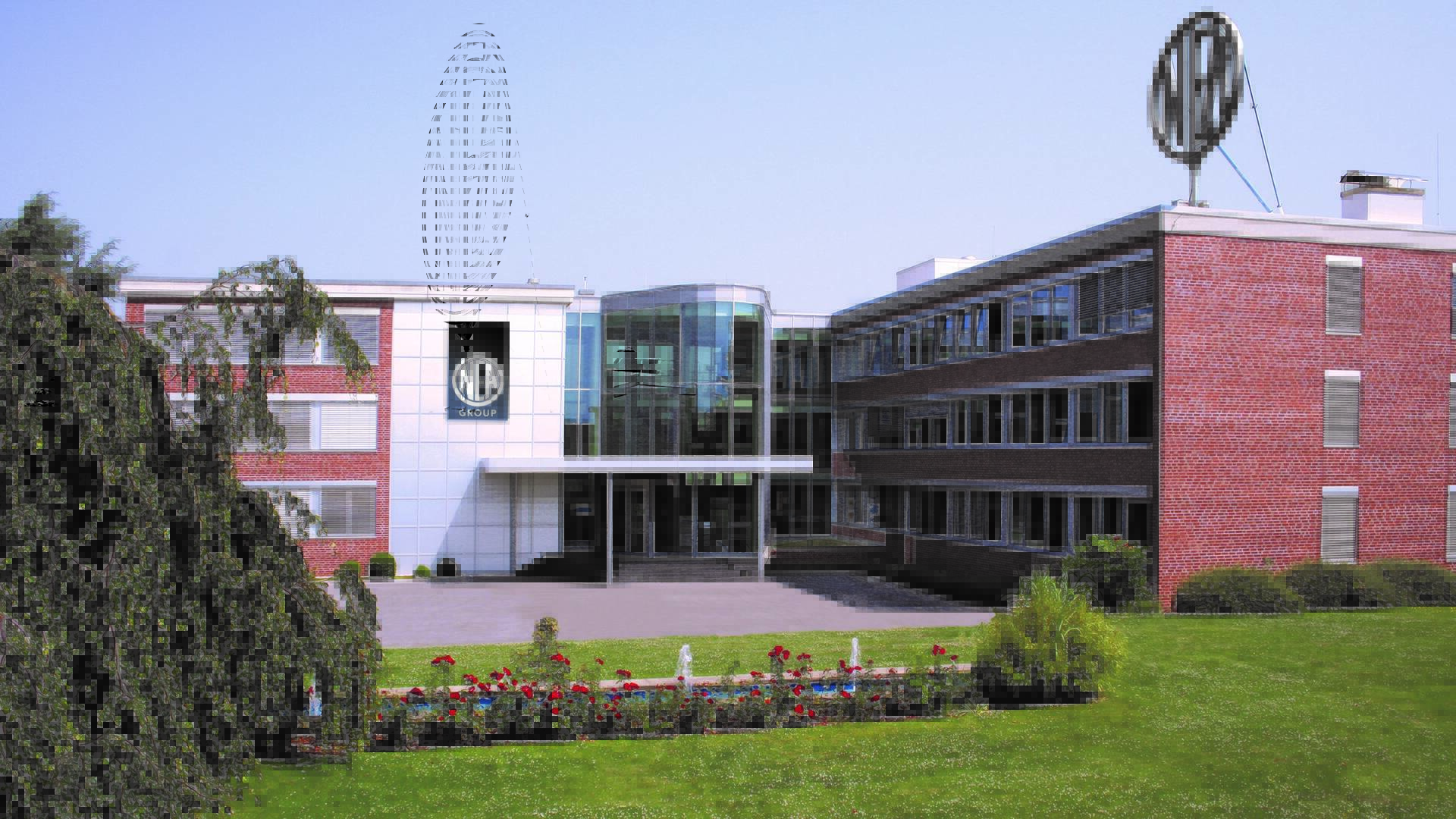
The NEUMAN & ESSER Group's products cover various areas of the hydrogen value chain. The company designs electrolyzers, compressors, buffer storage tanks, and even hydrogen filling stations.
© NPROXX B.V.
NPROXX
NPROXX is making a major contribution to the expansion of the hydrogen storage infrastructure with its composite pressure vessels. H2 filling stations and hydrogen-powered vehicles also benefit from the solutions offered by the Alsdorf-based company.
© Fev Group GmbH
FEV Group
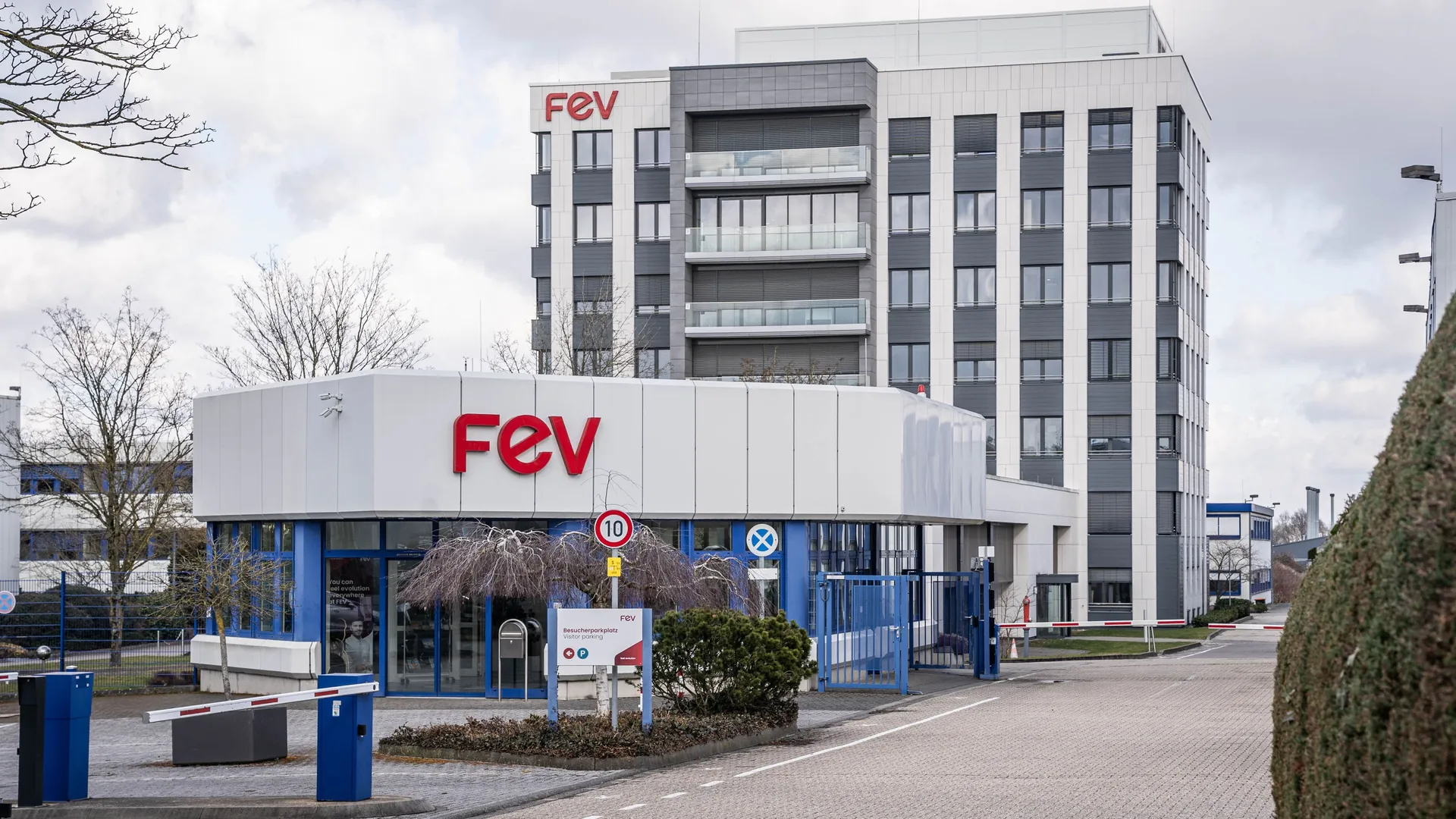
Headquartered in Aachen, the company develops low-emission hydrogen engines and fuel cell drives. With such innovations, FEV aims above all to make the transport sector more sustainable.
© Shutterstock, Dari kittirat roekburi
Strong initiatives and clusters create synergies in the hydrogen sector
 Read more
 < Close
Strong initiatives and clusters create synergies in the hydrogen sector
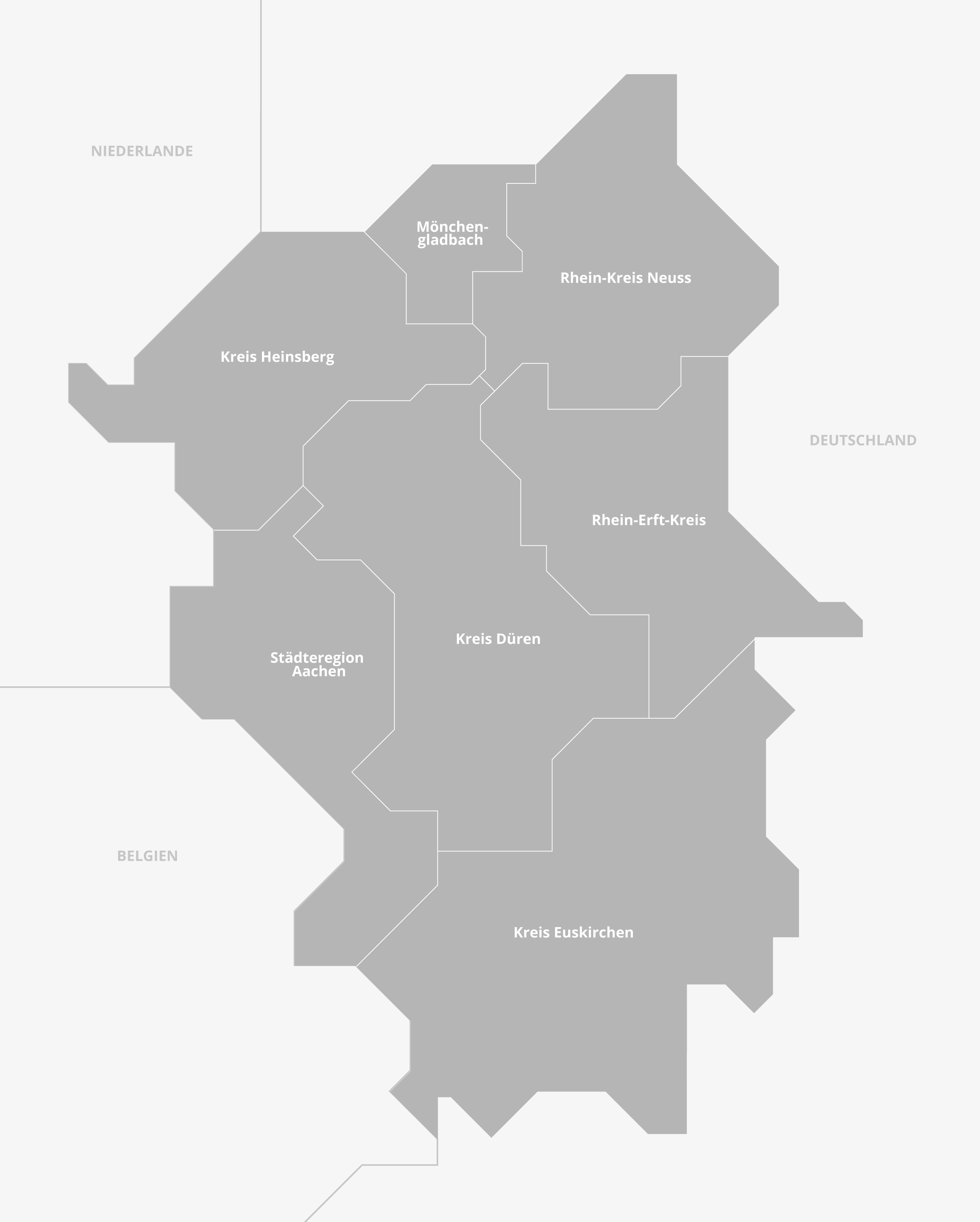
Industry, politics, and science are joining forces through dynamic initiatives and networks, especially around Aachen. SupplHyInno Rhineland aims to connect various stakeholders along the hydrogen supply chain in the Aachen and Jülich regions. The Hydrogen Hub Aachen unites Aachen and its surrounding districts – Düren, Euskirchen, and Heinsberg – creating a model H2 region. This region will play a crucial role in the Industrial Hydrogen Economy Future Lab of the In4Climate.RR project, supporting companies in Rheinisches Revier on their path to climate neutrality.
The Helmholtz Cluster Hydrogen (HC-H2): The key to a sustainable H2 economy
Read more < Close
The Helmholtz Cluster Hydrogen (HC-H2): The key to a sustainable H2 economy
The Helmholtz Hydrogen Cluster (HC-H2), based at Jülich Brainergy Park, is a key player in advancing hydrogen technology. HC-H2 is focused on developing a sustainable and infrastructure-compatible hydrogen economy in Rheinisches Revier through practical, applied research. It plans to launch large-scale demonstration projects with companies and local authorities. Coordinated by the Forschungszentrum Jülich, HC-H2 will receive €860 million in funding from the Federal Ministry of Education and Research and the state of North Rhine-Westphalia through 2038. This flagship project is crucial for the transformation of Rheinisches Revier into a hydrogen hub and a climate-neutral industrial region.
An asset for hydrogen investments: europe’s finest in applied research
One of the most prominent features of Rheinisches Revier as a hydrogen investment hub in Europe is its dynamic, business-oriented scientific landscape, which translates research into practical applications. In addition to the DLR Institute of Future Fuels, which is developing innovative solutions for producing hydrogen cost-effectively from renewable sources, there are four cutting-edge institutions driving H2 research forward.
The esteemed RWTH Aachen University, with its Centre for Sustainable Hydrogen Systems (CSHS) and FCI Fuel Cell Industrialization GmbH, plays a pivotal role in the SupplHyInno Rhineland cluster, focusing on research into electrolysis, storage, distribution, and utilization technologies.
Aachen University of Applied Sciences is working intensively on the energy carrier of the future, for example at the Solar Institute Jülich, which has its own focus on energy storage and hydrogen. In addition, a team at the Jülich campus has pioneered a novel method for microbially producing hydrogen from green waste.
Dedicated to a holistic understanding of the hydrogen economy, the Fraunhofer IPT aims to make hydrogen technologies more efficient, including in production. The keys to this include automation and in-depth expertise in the construction of special machines.
The Forschungszentrum Jülich (FZJ) is also making significant contributions through its Institute for Energy and Climate Research (IEK) and the new Institute for Sustainable Hydrogen Economy. The Helmholtz Hydrogen Cluster (HC-H2) is a further example of FZJ’s commitment.
Alongside HC-H2, there is another central component in the hydrogen transformation of Rheinisches Revier: the flagship project H2 Bedburg. In collaboration with RWE, the city of Bedburg is planning an electrolysis plant with an initial capacity of 5 MW, a green hydrogen filling station, and a fueling station. This project will serve the local economy and public transport. Additionally, several other funded projects are advancing along the hydrogen value chain.
H2REVIER
H2Revier is set to make a quantum leap in hydrogen mobility. RWTH Aachen University and the Centre for Fuel Cell Technology in Duisburg are teaming up with Neapco Europe GmbH from Düren and AE Driven Solutions GmbH from Aachen. Together, the H2Revier consortium aims to achieve cost-effective series production of fuel cell systems.
MAPEVA
NEUMAN & ESSER plans to produce cutting-edge, modular electrolyzers. Their MAPEVA project is developing a production line that will reduce costs and create 400 new jobs.
H2HS
In the Heinsberg Economic Development Agency project, local small and medium-sized businesses are advancing the construction of an electrolyzer. The project will use the electrolyzer’s waste heat to warm buildings and supply the oxygen byproduct to a wastewater treatment plant.
Explore our hydrogen hub for your investment in Europe
Rheinisches Revier still has plenty of space for innovative companies and research institutes. Leverage your hydrogen expertise and help turn our vision of a climate-neutral industry into reality. NRW.Global Business can highlight this potential with new and dynamic opportunities in Europe’s most exciting hydrogen hub and investment region. Contact us to explore the opportunities!
Contact us Factsheet Hydrogen in Rheinisches Revier
Would you like to learn more about the hydrogen hub Rheinisches Revier? You can find additional information in our fact sheet (PDF, 0.35 MB).
Frequently asked questions
Located in Germany’s industrial center of North Rhine-Westphalia, Rheinisches Revier has developed into a versatile hydrogen investment hub in Europe. Investors can benefit from a strong industrial customer base, ample funding and internationally leading scientific institutions specialized in hydrogen.
Several factors contribute to Rheinisches Revier’s role as a European hydrogen hub. The region is a center of energy-intensive industry with a reliable customer base. Furthermore, the region benefits from a diverse hydrogen value chain, well-established H2 infrastructure and specialized research institutions. The hydrogen hub also hosts several high-level projects and clusters.
There are attractive funding programs for hydrogen investments in Europe’s Rheinisches Revier. The STARK program of the German Federal Government and the Produktives.NRW, financed by the EU’s Just Transition Fund, both provide up to 200 million euros for individual projects.