

© NEUMANN&ESSER
NEUMAN & ESSER
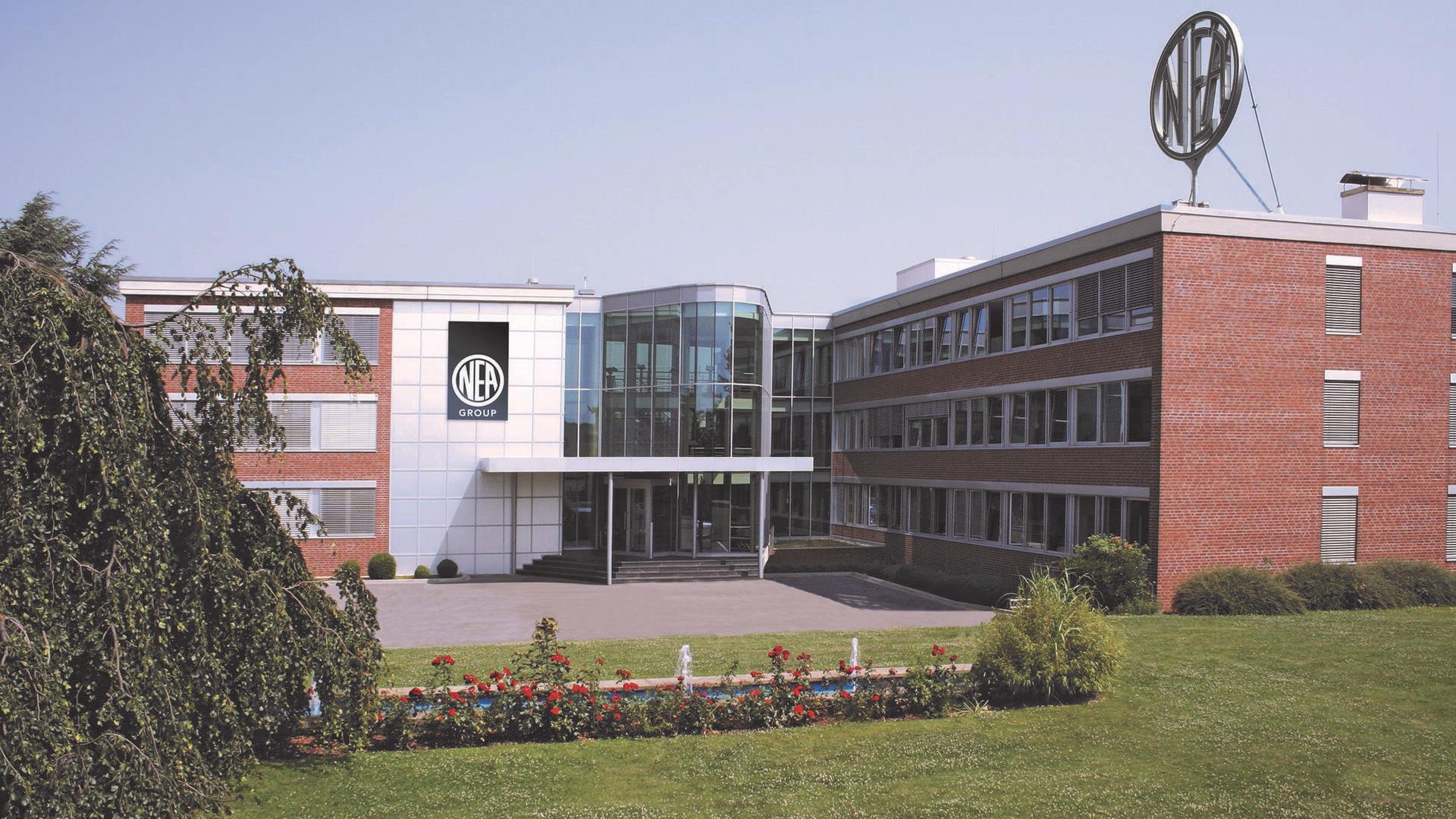
The NEUMAN & ESSER Group's products cover various parts of the hydrogen value chain. The company develops electrolyzers, compressors, buffer storage systems and even hydrogen filling stations.
© Charday Penn
Industry in North Rhine-Westphalia already uses this amount of hydrogen energy every year.
Germany's largest hydrogen pipeline network is set to double in length by 2030.
The Helmholtz Hydrogen Cluster (HC-H2), located in the heart of Rheinisches Revier, is funded through 2038.
Starting in 2027, Shell’s new 100-MW electrolyzer in Wesseling will produce this annual amount.
HYDROGEN
Rheinisches Revier is ideally equipped: companies in the region already cover all key stages of the hydrogen value chain, from production and storage to end use.
© NEUMANN&ESSER
The NEUMAN & ESSER Group's products cover various parts of the hydrogen value chain. The company develops electrolyzers, compressors, buffer storage systems and even hydrogen filling stations.
© NPROXX B.V
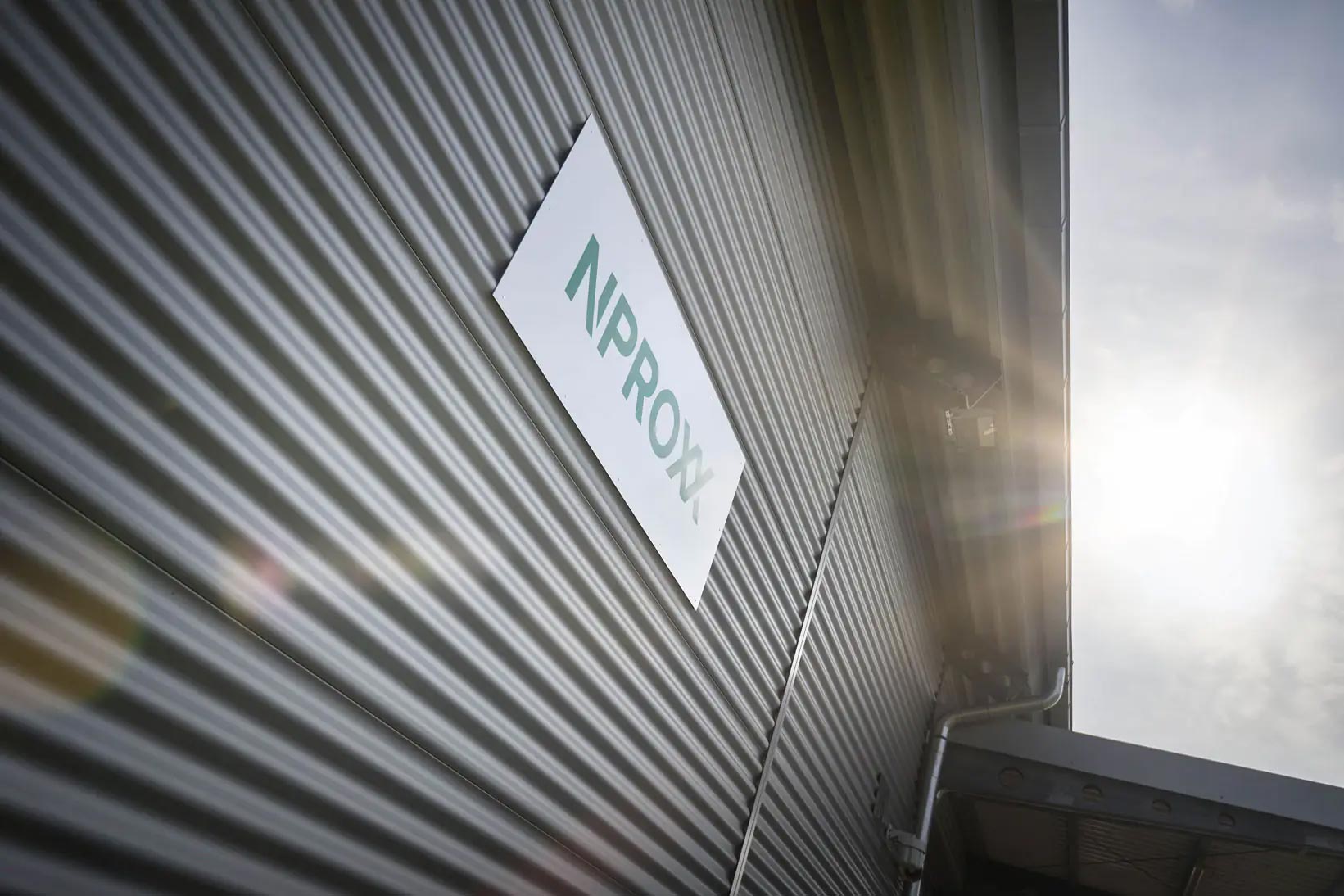
The Alsdorf-based company is playing a major role in expanding hydrogen storage infrastructure with its composite pressure vessels. Its solutions are also used in H2 filling stations and hydrogen-powered vehicles.
© Shell
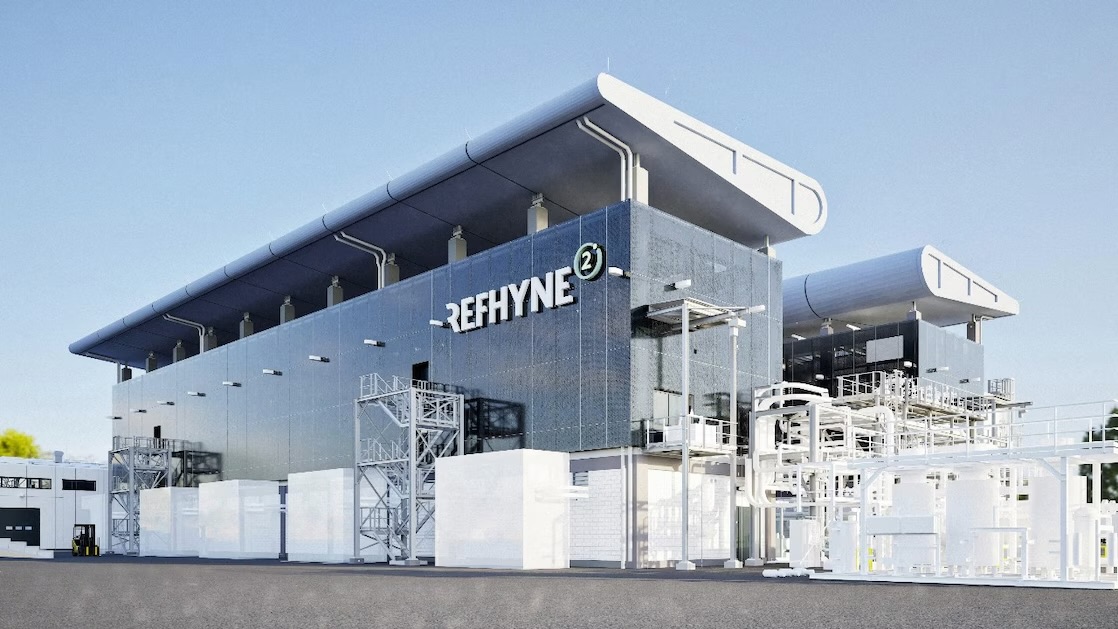
A milestone for industrial applications: Shell is building a 100 MW electrolyser in Wesseling that will produce up to 16,000 tonnes of green hydrogen annually from 2027. The hydrogen will be used for purposes including decarbonisation and refining processes in industry.
© FEV Group GmbH
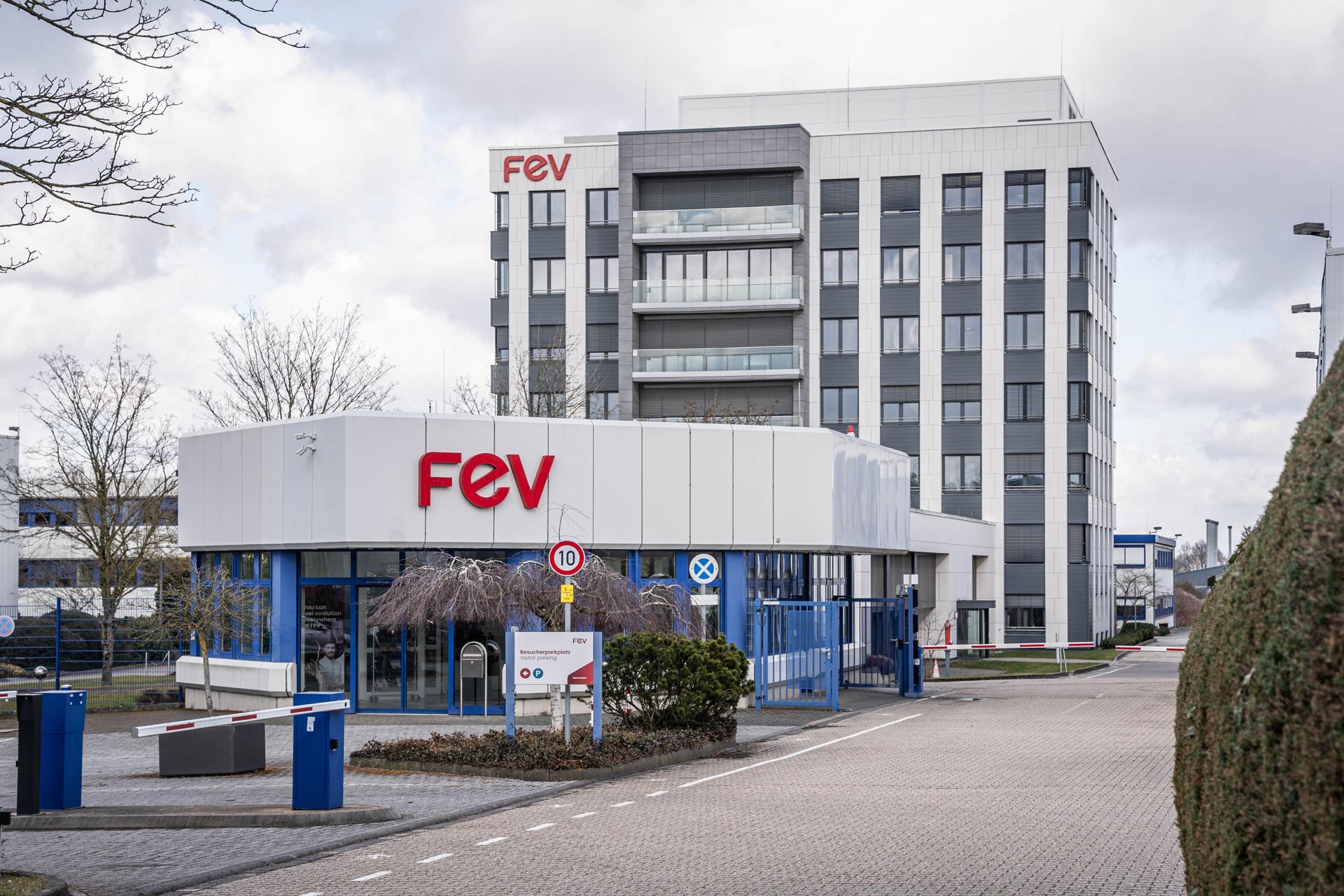
Headquartered in Aachen, FEV develops technologies including low-emission hydrogen engines and fuel-cell powertrains. With innovations like these, FEV aims to make the transport sector significantly more sustainable.
GOOD REASONS TO INVEST
Chemical parks, metal processing and the energy sector: energy-intensive businesses need climate-neutral energy, and your market is right here.
The Net Zero Valley offers short routes to the ZARA seaports in the Netherlands and Belgium as well as Duisburg, Europe's largest inland port and a major hub for hydrogen imports.
Shell is building a 100 MW electrolyzer for renewable hydrogen in Wesseling on the Rhine. It’s due to begin operations in 2027, just one of numerous industrial and research projects in the region.
Designated sites are available for hydrogen companies, while the Net Zero Industry Act (NZIA) is accelerating the development of climate-neutral industries.
YOUR NEXT STEP
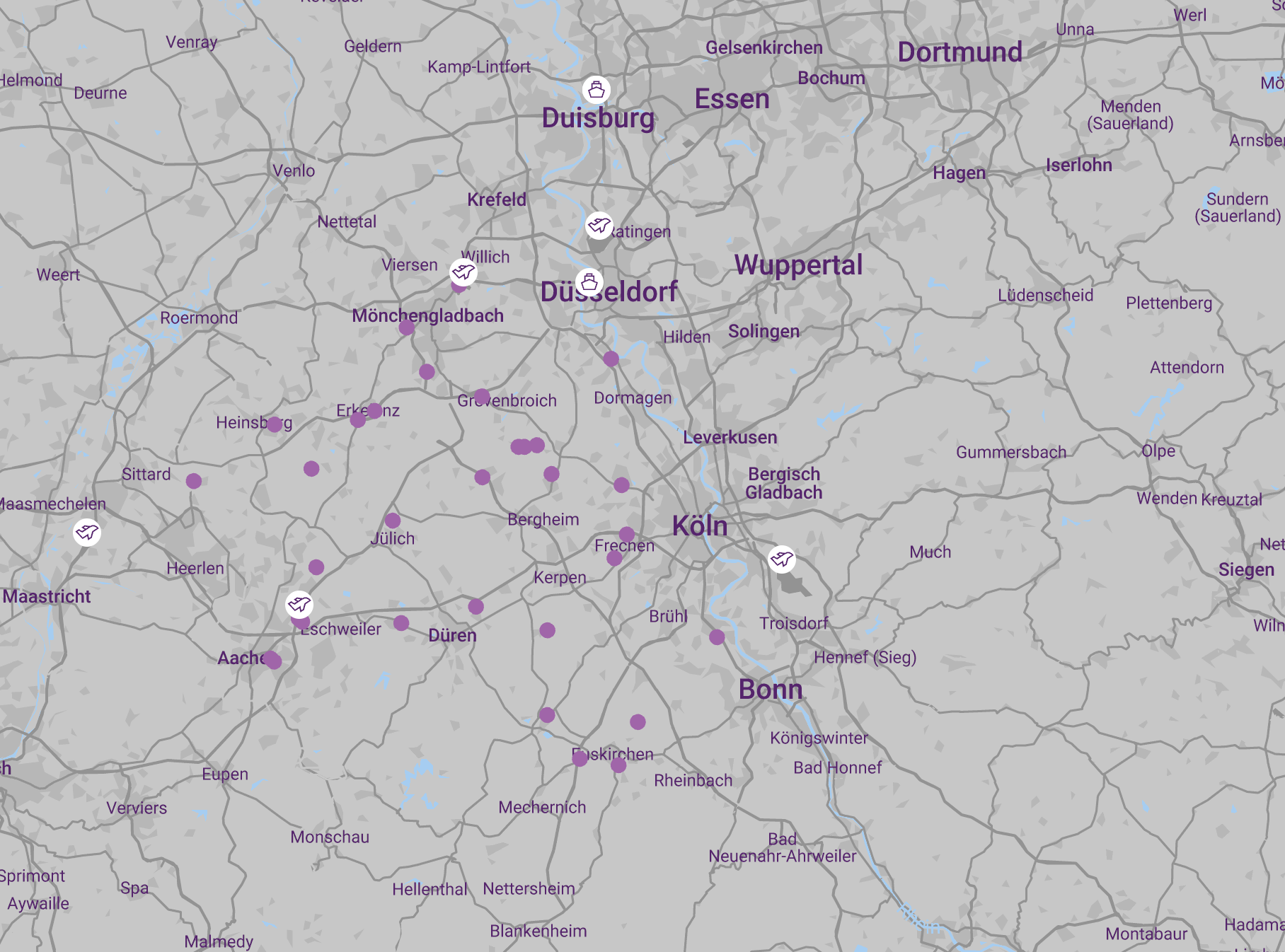
More than 40 ready-to-develop industrial and commercial sites on one map, filterable by size, sector and proximity to infrastructure.
FROM IDEA TO LOCATION
Tell us your requirements.
You will receive a detailed assessment with suitable locations.
We have the right contacts for you.
YOUR NEXT STEP
We will find the ideal location, suitable infrastructure and regional partners for your project.
FREQUENTLY ASKED QUESTIONS
Because customers, infrastructure and logistics all come together here: almost 100,000 people work in energy-intensive industries, the region is connected to Germany's hydrogen core network, and the seaports and Duisburg are within easy reach. The Net Zero Industry Act also helps accelerate the establishment of new businesses.
Germany's largest hydrogen pipeline network currently spans 240 kilometers across North Rhine-Westphalia and is set to double by 2030. The region is also connected to the hydrogen core network and home to major climate-neutral industry projects such as Shell's 100 MW electrolyzer in Wesseling.
Designated locations such as Brainergy Park and sites in and around the chemical parks along the Rhine corridor can be filtered via the InvestMap. On request, the investment team will also provide a tailored site assessment.